Getting your car ready for a Vermont winter
A Vermont winter finds the weakest part of your car on the coldest morning of the year. We service a steady line of vehicles through the bay every autumn, and the failures cluster in the same few systems. Cold-weather vehicle prep costs a fraction of the tow and the lost workday it prevents.

The checklist before the first snow
Winter car maintenance comes down to the systems that the cold attacks first. The list to winterize your car is short, and none of it costs much:
- Battery. Load-tested for cold cranking amps.
- Antifreeze. Flushed and set to a minus-30 mix.
- Wipers. Winter blades, swapped in pairs.
- Tires. Tread and pressure checked, winter rubber fitted.
- Underbody. Rust inhibitor laid down before the salt.
A battery surrenders a third of its cranking power once the temperature drops below freezing. The one who fired your engine all summer quits on the first hard morning in December. We load-test every battery in autumn and pull the weak ones before they strand a customer in a parking lot. A four-year-old battery can read healthy battery cold cranking amps on the case and still fail once the plates wear. The antifreeze flush is the other service people skip. Old coolant goes acidic and eats at the water pump from the inside. A mix too weak to hold its rating freezes and cracks the block, which ends an otherwise sound car.
Winter tires are worth the price here
The all-season vs winter tires argument ends the moment you have driven both through a Bennington January. An all-season is built to do everything passably and nothing well in deep cold, and its tread turns hard and glassy below about 45 degrees. A proper winter tire stays soft and grips, and the difference shows up as ten or fifteen feet of stopping distance at a snow-packed intersection. That is the margin between stopping at the line and sliding into the bumper ahead of you. A second set means two swaps a year, and a corner of the garage given to storage. Anybody who commutes the back roads gets that traction on the first icy hill. We mount most winter sets in the first half of November, once the overnight lows hold under freezing.
Fluids and the freeze
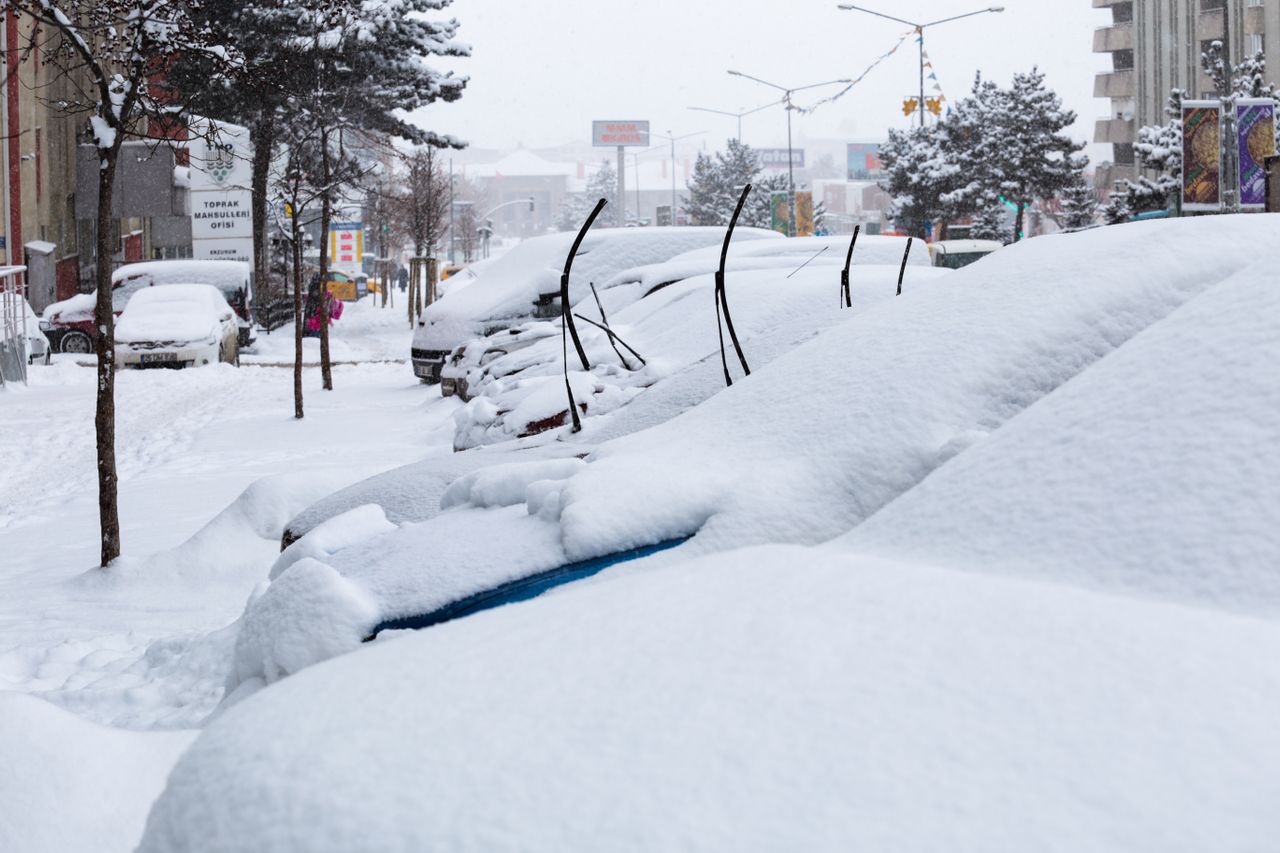
Cold catches the small fluids, too. Summer washer fluid freezes the instant it hits the glass and blinds you mid-corner, so switch to a winter mix rated near minus 20. Silicone on the door locks and rubber seals keeps them from freezing shut on a wet night. A worn blade smears more than it clears once it ices over, so the wipers go on with the rest of the seasonal change. Half a tank of gas through the cold cuts the condensation that settles in the fuel line overnight.
Road salt and the rust it leaves
Road salt damage surfaces years later, long after the winter that put it there. The crews salt these roads by the ton all season, and the brine finds every seam and brake line it can reach. Underbodies on the lift in March tell the season, white crust over orange rust at every weld. A rust inhibitor undercoat laid down in autumn puts a barrier between the steel and the brine. The cars we treat hold their frames a good deal longer than the ones we don’t. We rinse underbodies all winter, and a wash that reaches up under the car clears the salt before it can corrode.
What to keep in the trunk
Cars slide into ditches all winter, and the drivers who wait for the tow in comfort are the ones who packed ahead. Sand comes first, since a handful under a spinning tire gets you out of most shallow slides with no wrecker at all. A wool blanket beats the foil emergency kind once you have spent an hour at minus 5. Keep jumper cables and a charged battery pack where you can reach them. A dead battery in a cold lot is the call we field most. All of it fits a milk crate and goes untouched until the morning it saves your afternoon. Book the bigger jobs in October, ahead of the first hard freeze and the rush when every driver in town has the same idea. A car set up for winter is one you stop thinking about until spring.