Synthetic or conventional, and which oil your car needs
Synthetic vs conventional oil is the question we field at the counter more than any other. Most ask it right after they see the price difference between the two. Both oils will protect an engine. The split comes down to how long the oil lasts and how it behaves on a minus-10 morning. That second part counts for more in Vermont than the marketing admits.

What separates the two oils
Conventional comes straight from the refinery with molecules of every size, and it darkens and thins out sooner because of it. Synthetic is built to one uniform size that holds together through heat and cold. The proof shows on the dipstick. We pull a synthetic at 8,000 miles that still looks close to new, while a conventional fill at the same mileage comes out dark and watery.
Interval. 3,000-5,000 miles on conventional, up to 10,000 on synthetic.
Cold flow. Synthetic still pours at minus 10; conventional stiffens.
Heat. Synthetic resists breakdown; conventional oxidizes sooner.
Engine wear protection. Steadier from a synthetic, cold morning to a shutdown.
Price. Conventional $40-$70, synthetic $70-$120 a service.
Valvoline full synthetic goes in most of what rolls through the bay. A longer interval fits how people drive here, and the cold-morning protection is worth the few extra dollars. The fuel economy improvement is small and honest, a percent or two from less drag inside the engine. It shows up most over a winter of idling and short hops.
Where synthetic pays off in the cold
Most of the wear an engine ever takes happens in the first minute of a cold morning, before oil climbs to the top end. Conventional oil stays down in the pan at minus 10 while the camshaft turns dry for a moment. Synthetic is already up top before the engine finishes its first few rotations. That early flow is where a Vermont winter pays you back for the upgrade.

When conventional still has a place
Conventional oil still has its place. An older engine with regular changes and low yearly miles holds up fine on it, and the per-visit saving is genuine. The case weakens the moment that the engine meets a hard winter or a stretched interval, which covers most of what parks in Bennington. We still pour conventional in the odd farm truck that gets one change a spring and never sees a highway.
Those two costs draw closer over a few years anyway. A driver covering 12,000 miles a year buys four conventional changes or two synthetic ones, so the yearly total lands close. Fewer drains also mean less old oil cycling through the engine and less time on our lift.
High-mileage oil and when to switch
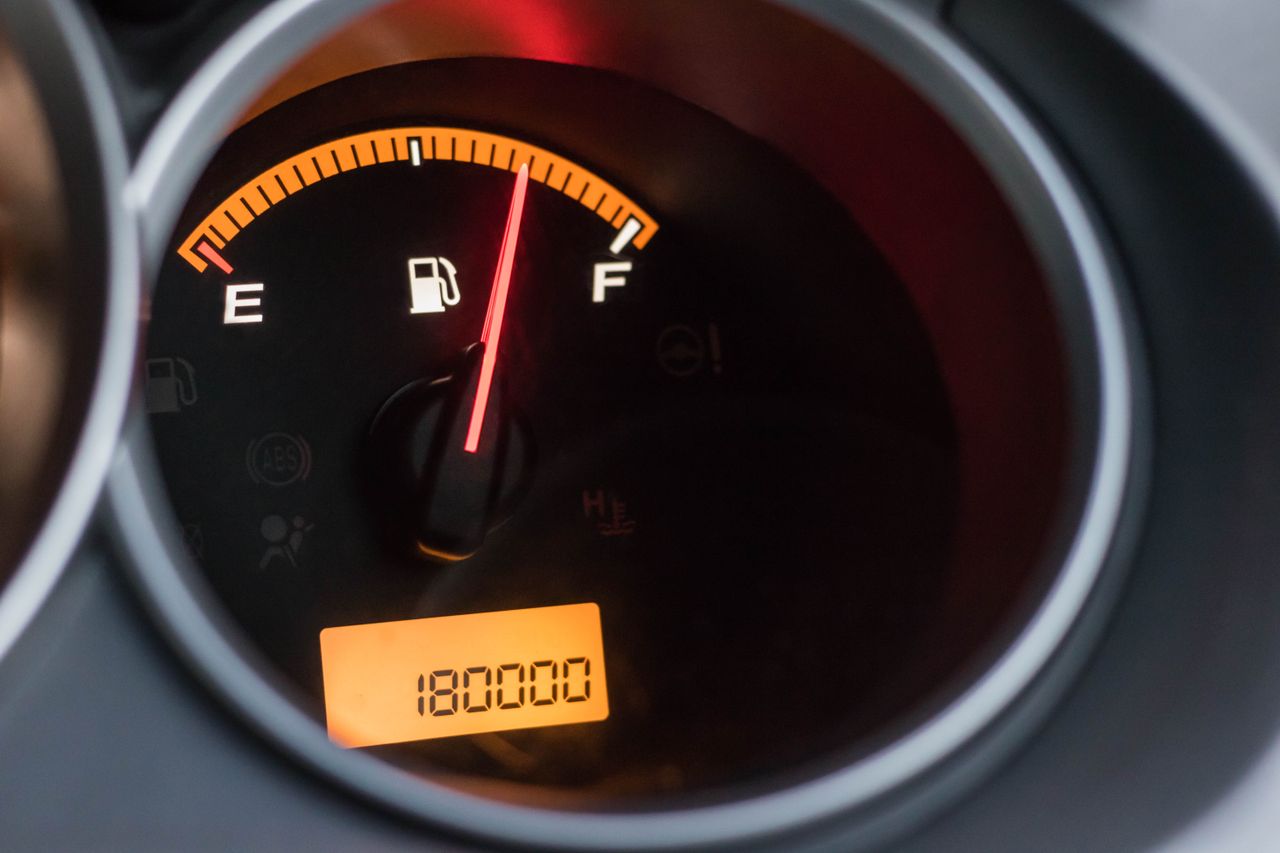
An engine past 75,000 miles develops hard seals and gaskets that begin to weep oil. High mileage oil benefits this exact stage. It carries conditioners that swell the old seals back to a tight fit, plus extra body to cling to worn bearings. The car that drips a spot on the driveway or wants a top-off between changes is the one we move onto it. That switch buys a few quiet years before a leak turns into a repair.
Reading the grade on the bottle
Customers ask what the 5W-30 on a jug means. Those codes are the oil viscosity grades, and the wrong one will cost you. The digit ahead of the W is the cold-flow rating, where lower is thinner, which a Vermont morning wants. Heat thickens it back up, and the digit after the W is the weight once the engine is warm. Put the wrong grade in and you work against the design the engineers settled on, and that costs you fuel and protection.
Full synthetic is the safer money for most drivers in this part of Vermont, and the longer interval eats most of the price difference. The best motor oil type for your car is whatever the manual specifies, in the weight it lists. Bring the car in on that schedule, and move to a high-mileage blend once it earns one. The oil will outlast most of what surrounds it.