Brake warning signs you should not put off
Brakes give more notice than almost any part of the car, and people ignore every bit of it until the pedal scares them. The brake warning signs arrive as noise first, and a change in the pedal follows. We catch most of them at an oil change or an inspection, weeks before the driver would have called. Acting on the first one keeps a cheap job cheap.
Worn brakes you can hear and feel
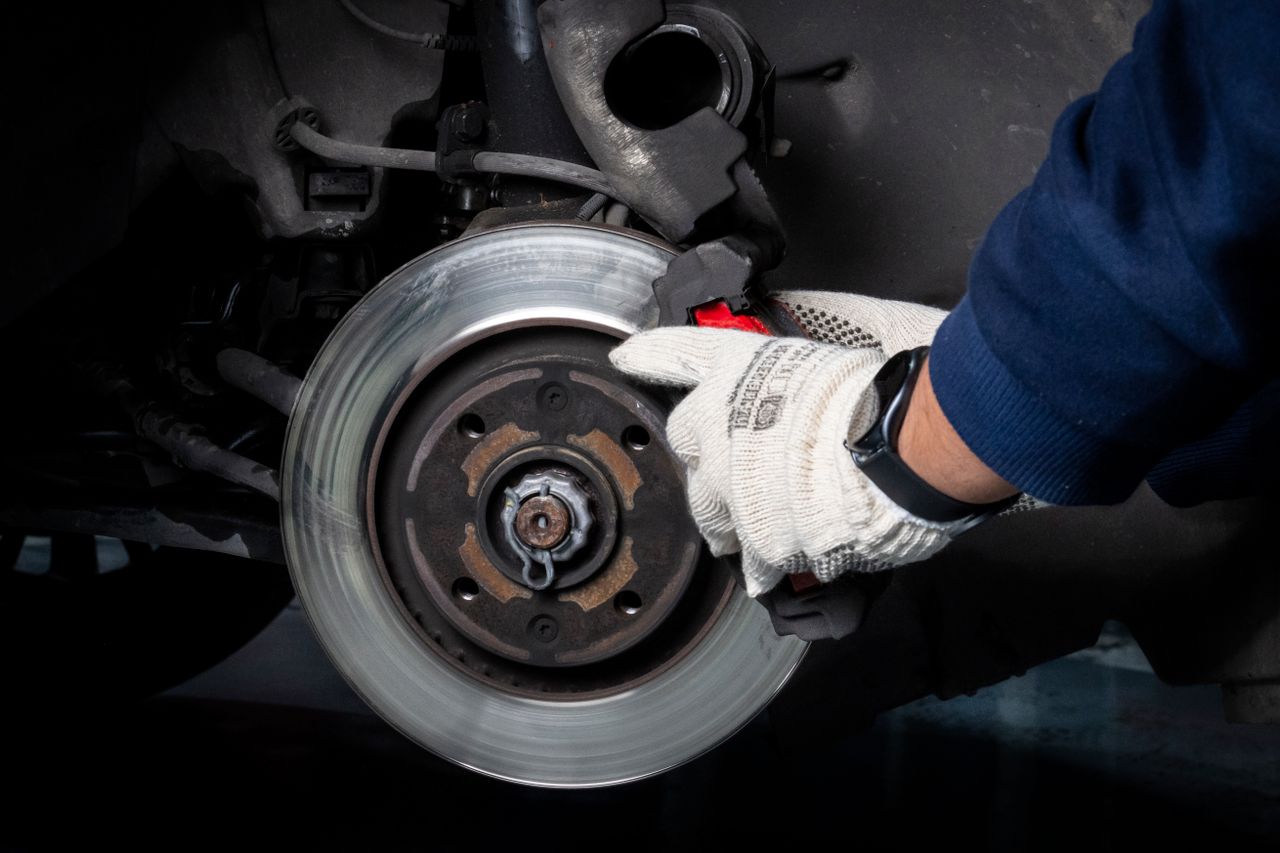
Most people come in over a noise, a thin squeal at low speed that peaks right before the car stops. They show up worried that something broke. The squeal is there by design. It comes from one of the brake pad wear indicators. A steel tab inside the pad scrapes the rotor and warns you while there is still life left. Squealing brakes are a cheap warning, and I would rather a driver catch it there. The ones who turn the radio up come back a month later with a grind. That grind is the pad gone, bare steel carving the rotor.
A shudder through the pedal when you brake hard is the rotors, warped from heat. You get it in the wheel and the seat at speed, and it bites harder the more you lean on the brake.
A pull to one side sends me to the calipers and hoses first. That side carries both wheels, so one pad goes paper-thin while the other looks brand new.
The soft pedal is the one I never wait on. Air or water in the fluid makes it sink toward the floor, or a line is letting go. That is the day the car stays parked.
Longer stopping distance is the sneaky one. It stretches an inch at a time and you adjust without knowing. A kid chases a ball into the road, and the ten feet you used to have are gone.
The burnt smell after a long hill is the pads cooking, because you rode them down instead of gearing back.
The point where pads need replacing
Drivers ask us when to replace brakes, and the honest answer is by measurement rather than mileage. A fresh pad carries 10-12 mm of friction material, and we read what is left at every tire rotation.
Fresh pad. 10-12 mm of material.
Plan the service. 3-4 mm remaining.
Replace immediately. 2 mm or thinner.
Pads and rotors together cost $300-$600 an axle. Catch it at the squeal stage and the job stays pads alone, closer to $150-$300, with the rotor saved.
Vermont roads wear brakes faster
Salt is why brakes are a bigger deal here than in most places. It gets into the caliper slides and pins until they seize, and it pits the rotors over a winter or two. I pull brake parts off Bennington cars that would have had years left in a dry state. The hills take their share too. Every long grade down into town heats the pads, and heat is what warps a rotor. We see more brake work per car than a flatland shop ever would.
Repairs short of new parts
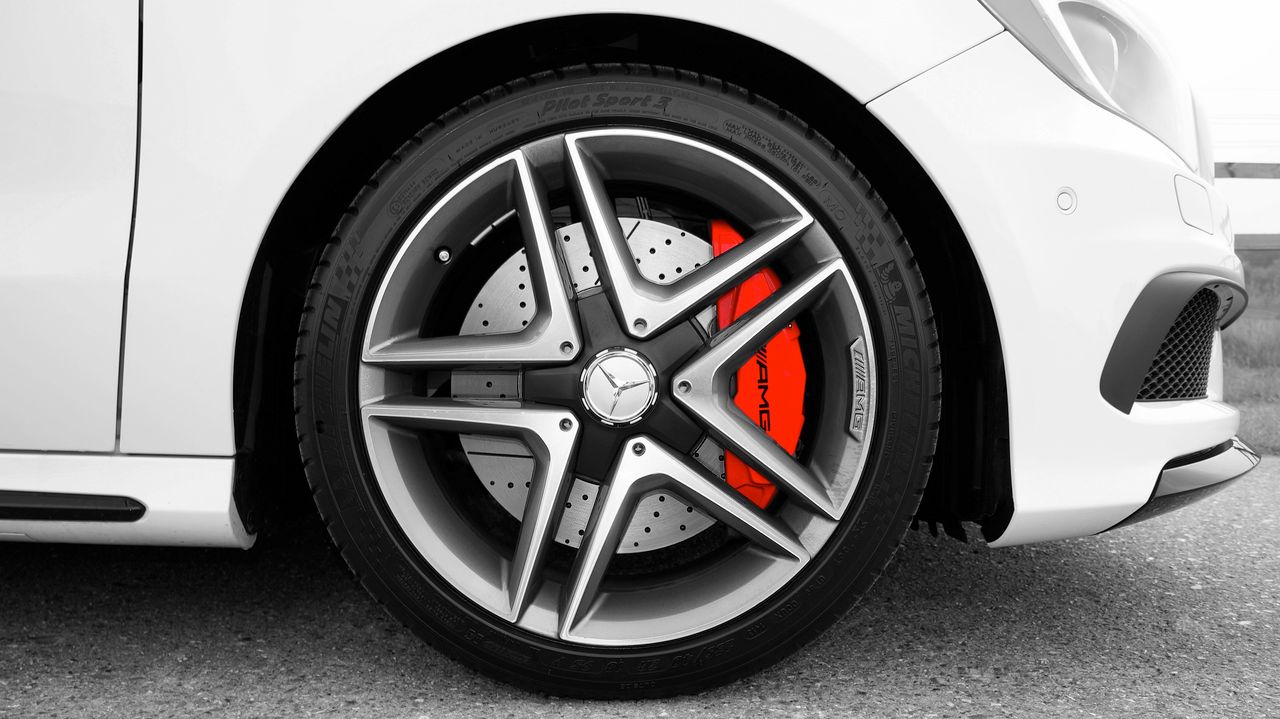
Plenty of worn brakes take a fix short of full replacement. A rotor with even wear and thickness to spare takes brake rotor resurfacing. One light cut on the lathe trues the surface for a fraction of a new one. A rotor worn past the minimum stamped on its hub has to come off. Any brake complaint gets the wheels off for a caliper inspection. A seized slide pin feels like worn pads from the seat and fails an inspection the same way.
Brake fluid is the part nobody thinks about. It soaks up water over the years, and old wet fluid boils under hard use and rusts the lines from the inside. A brake fluid flush every two or three years clears the water out before any of that happens. The rubber flex hoses are the other casualty of the salt. They swell shut on the inside and trap pressure at one wheel, which drags that brake and cooks the rotor with no warning. Every brake job here gets a final check by an ASE certified mechanic, because a brake that pulls crooked is worse than one that squeals.
Brakes warn you cheap and fail you expensive. The squeal and the early pulse cost little to address. Wait for the grind or the soft pedal, and a $250 job becomes a $600 one. You lean on that system at every red light.