The Vermont state inspection guide: what we check
Inspections are a daily job here. Every car in Vermont needs a safety and emissions pass once a year, and the windshield sticker shows the month yours comes due. Miss the date and the car is not legal to drive, with a ticket waiting at the first stop. We perform the Vermont state inspection on the state’s electronic system. It photographs the car and uploads the result, so there is no need to backdate the sticker anymore.

Safety and emissions, the two halves
VT vehicle inspection requirements are split into two parts: safety and emissions. A safety inspection walks the whole car for anything that affects control or visibility. The emissions test Vermont uses is an electronic scan of the onboard computer on most vehicles built since 1996. It reads the faults the car logged on its own.
The state inspection checklist
The safety portion is long, and these are the items that decide most cars:
- Brakes. Pads, rotors, lines, and the parking brake.
- Tires. Tread depth, sidewall condition, and matched sizes.
- Steering and suspension. Ball joints and tie rod ends.
- Glass. Windshield cracks across the wiper sweep.
- Lights. Headlamps, brake lights, signals, and plate lamp.
- Exhaust and frame. Leaks and rust-through.
The faults that fail the most cars
One Vermont vehicle in a hundred fails the first time through, and the reasons stay predictable. Brakes top the list, well ahead of the next cause, from rusted lines or pads worn past the limit.
Tire tread depth is close behind, since anything under 2/32 of an inch fails, and our winters scrub the edges fast.
A check engine light is an automatic emissions failure, because the scan reads the stored code, no matter how well the car drives.
Windshield cracks fail when they cross the swept area. A long crack low on the glass can pass when it stays below the driver’s sightline.
Rust through the floor or a frame rail fails on the spot, since the inspector cannot pass a car that might fold in a crash.
The emissions scan and its traps
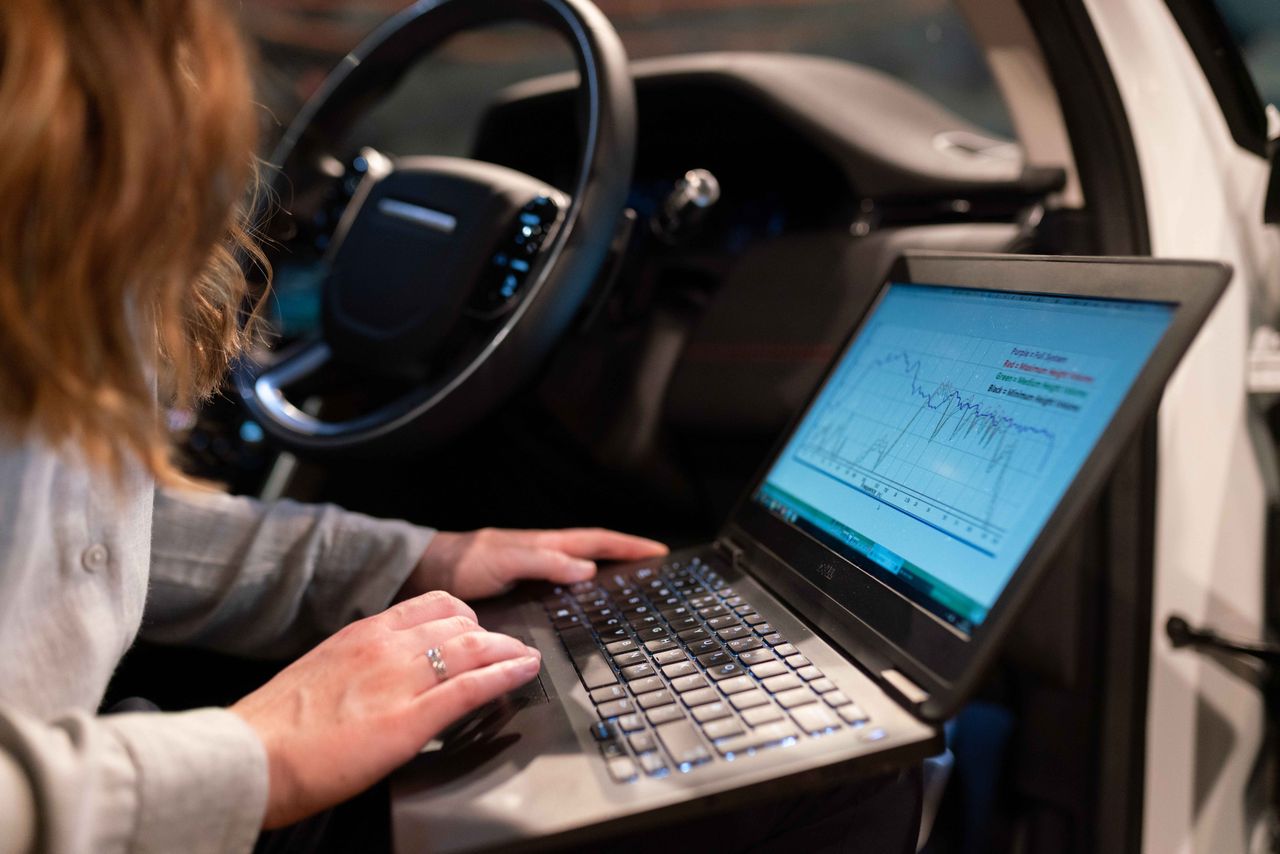
The emissions side is simple: a plug into the diagnostic port that reads the car’s own monitors. Readiness is where people get caught. Those monitors reset after a dead battery or a cleared code, and they need a week of normal driving to finish their self-checks. Bring the car in too soon, and it fails for incomplete monitors, with nothing wrong with it. We send anyone fresh off battery work to drive a mixed week of highway and town first. Vehicles older than a 1996 model year, and diesels, skip the scan and take a visual emissions check instead.
Prep that saves a second trip
A few minutes the week before spares a return visit. Walk around the car at night with it on, and confirm that every lamp lights. A dead plate bulb fails a car that is otherwise perfect. Top off the washer fluid and clear any check engine light with a proper repair. A battery pull to reset it will not fool the scan.
We charge $50-$60 for the inspection, like most shops around here, and you pay it whether the car passes or not. Anything we fix to earn you the sticker is quoted first and billed separately. New Vermont plates come with a 15-day window to get inspected, so do not let it slide.
If the car fails
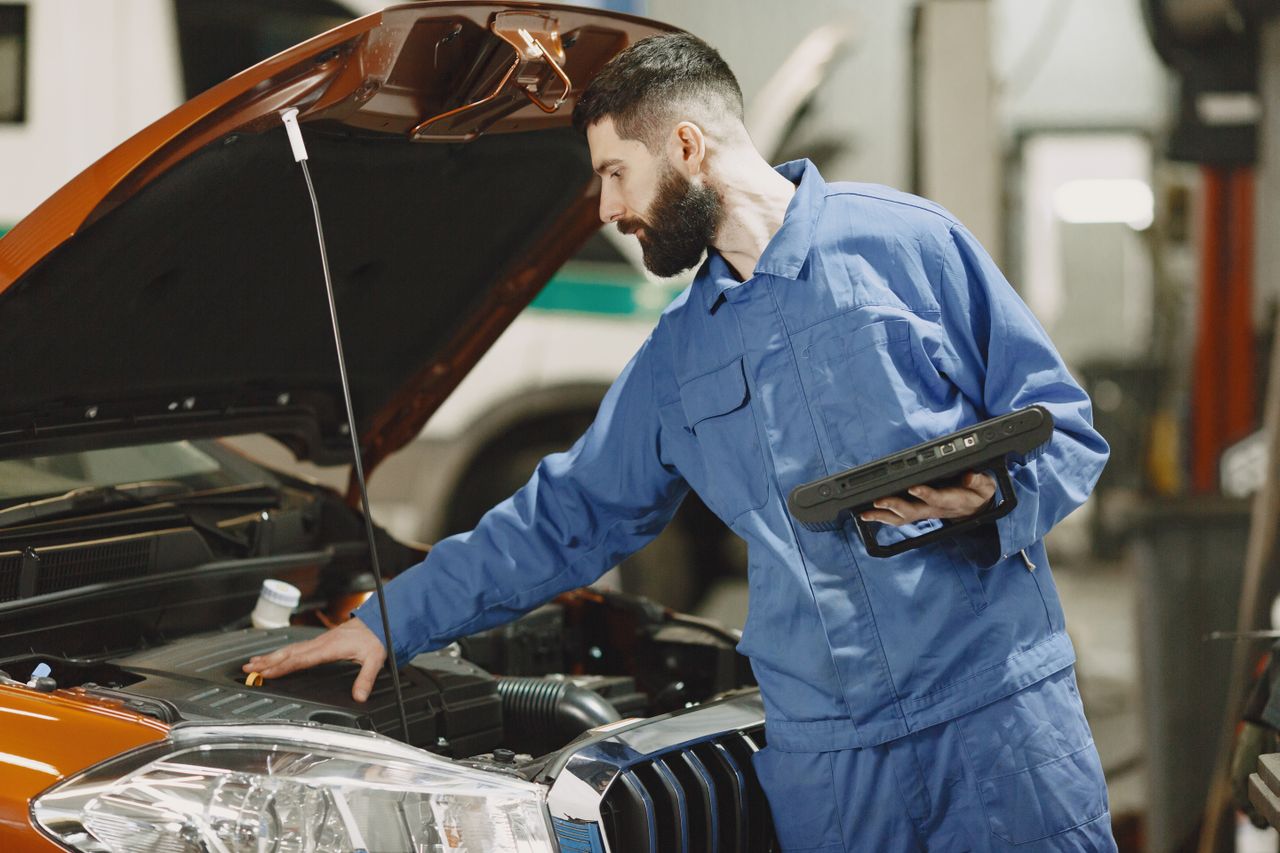
A failed inspection is not a fine. It buys a 30-day window to fix the fault and return. Most fails are cheap, a bulb or a wiper blade. We keep common bulbs and blades on hand and swap them while you wait, so a small fail will not cost you a second trip. The expensive ones trace to brakes or rust, and those we quote before touching anything. You may drive with an expired sticker during the window as long as the repair is underway, though a trooper has discretion on that.
The inspection holds no mystery once you know the list. Bring the car in with every lamp lit and legal tread, and most pass in twenty minutes. We tell you what failed and what it costs before any work, and the recheck is on us once the fix is done.